
Ashley Nicole Blog
Subscribe and receive email notifications of new blog posts.
 RSS Feed
17
Selling Your First Home This Spring? Here's How Thinking Like a First-Time Buyer Can Help

When you bought your first home, there was no shortage of advice. From mortgage tips to house hunting strategies, the world was full of guidance for first-time buyers. But now that you're on the selling side for the first time, it might feel like you're supposed to just know what you're doing since you're not completely new to the process.
Selling a home isn't just buying in reverse. It comes with its own set of challenges, decisions, and potential missteps. Maybe you're wondering how much to list for, whether you really need to repaint the living room, or why your ag...
10
A 50-Year Mortgage Might Arrive Soon—Here's How to Decide if It's Right for You
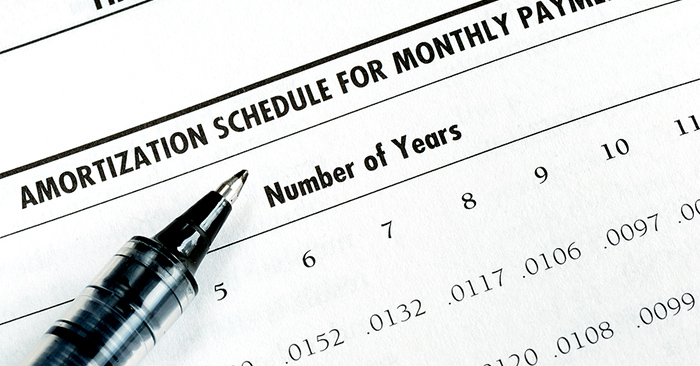
You've probably seen the buzz lately about 50-year mortgages possibly hitting the U.S. market soon.
If you haven't come across it yet, you probably will—whether in a headline, a newsfeed scroll, or it'll just be an option the next time you're house hunting.
At face value, it sounds like a pretty sweet deal for anyone feeling squeezed by prices and rates. Stretch the payments out over half a century, and suddenly that monthly bill looks a whole lot friendlier. What's not to love,...
3
Why January Is the Best Time to Kickstart Your 2026 Home Search

It's a new year, and if buying a home in 2026 is on your mind, there's one simple piece of advice worth hearing first: get started now.
Not in March. Not in spring. Not "when the weather gets better." Now.
Why? For starters, buying a home takes time. A recent Realtor.com article suggests getting started at least six months before you plan to close. That doesn't mean starting in January automatically puts you on track for a June closing. In fact, if you get starte...
26
Daily Decluttering Matters More Than the Perfect Throw Pillow When Selling Your Home
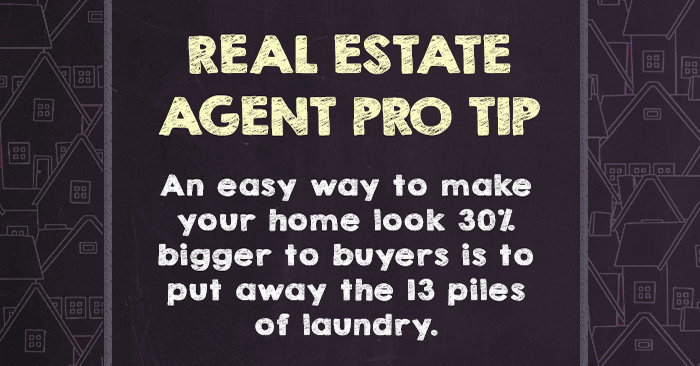
When you sell a house, staging can make a real difference. But the word "staging" means different things to different people.
Some think of it as simply rearranging what they already have — moving a few pieces around, opening the blinds, and putting their space in the best possible light (literally and figuratively).
Others picture an HGTV-level overhaul — trucks pulling up with designer furniture, new art on the walls, accent lighting, and everything color-coordinated down to the coffee-table books.
And then there are those who take it down to the tiniest of details, like arranging...
19
'As-Is': What Sellers Expect vs. How Buyers Actually React
There's something about the phrase "as-is" that feels powerful when you're selling a house. Two little words, and—poof!—no more haggling, no more repair requests, no more back-and-forth. Just agree on a price up front, collect every penny at closing, and let the buyer handle any issues once they own it.
At least, that's what many sellers hope will happen…
Unfortunately, "as-is" doesn't always have the effect sellers imagine. The way it comes across depends entirely on the buyer's mindset—and in some cases, it might even scare off the perfect one.
Here's a look at 7 ways buyers might interpret those two little words, so you can decide if it's the right move for you:
1) "As-If! We'll See About That…"
Some buyers will treat as-is as a challenge. They may agree to take the house "as-is," but also retain their right to a home inspection saying they just want to make sure there's nothing major wrong with the house. In theory, this just lets them walk away if the issues are too much to handle. However, don't be surprised if they present a list of things they want you to repair or give them a credit to fix themselves. You can always say no, but it may make sense to work with them on the issues, because you could end up getting the same requests with another buyer anyway.
2) "Ahhh, So you want Me to Come in With a Lowball Offer, Right?"
Other buyers will immediately knock 30% off the price in their head—before even seeing the house. Even if the home is perfectly livable, they'll assume it's a financial disaster waiting to happen. Rather than let them do fictional math in their head before making an offer, you may be better off letting them do some actual repair calculations once they get a home inspection done.
3) "Nope."
It could also entirely scare a buyer off before they even click past the first photo online. If they're not handy, and don't have the budget (or desire) to fix things that may be wrong with the house, you might never know they could have been interested in your house if it weren't for those two little words in your listing.
4) "For That Amount of Money?"
There are also buyers who don't mind a fixer-upper, but they'll expect a break on the price in return. Unlike the lowballers, these buyers won't even bother making an offer—they'll just wait until the price drops to what they feel is reasonable.
5) "What Are They Trying To Hide?"
It could also cause some buyers to assume you're trying to hide something. They may not be entirely scared away—and they may even offer you a great price for the house—but don't be surprised if they're skeptical and just looking for problems that may not even exist.
6) "How Bad Could It Be?"
This type of buyer is misleading. They start out optimistic, but deep down they're just waiting for the other shoe to drop. Honestly, it can go either way for this type of buyer. They're hopeful enough to come look at your house, but they're also kind of looking to see if they can answer their own question with something along the lines of, "Oh it can be bad… really bad!"
7) "Perfect… I'll Take It!"
These are the buyers every as-is seller hopes to attract. So there's always a chance that putting "as-is" in your listing won't bother some buyers a bit. But are they truly the best buyer you could've gotten—or did those two little words scare off an even better one?

|
 |
