
Posts in category 'Buying'
Subscribe and receive email notifications of new blog posts.
 RSS Feed
17
5 Things Your Buyer's Agent Notices When They Walk Into a Home… and Why
While your agent is surely right there with you and chiming in with their take on the house, they're also likely sizing up the situation in entirely different ways you might not even realize. Agents are often looking for certain clues that could make or break the deal if you decide to make an offer.
Here are five things real estate agents take note of while showing a house, just in case their client is interested in making an offer on it:
1) How Many Business Cards Were Left by Other Buyer's Agents
Buyer's agents often leave their business card behind to let the owner and the listing agent know that they were there. You might not notice them, but your agent is likely checking out how many business cards were left by other agents to gauge how many showings there have been, and how much potential competition you might be facing.
2) Which Agents Left Their Card
They may even take a closer peek at the business cards to see which agents have shown the property so they know who they're up against in the negotiation ring if there are multiple offers.
3) Subtle Signs of Packing
Boxes tucked away in the garage, half-empty closets, or some missing furniture that they saw in the listing photos are all things your agent may notice, which could be subtle signs that the sellers are already packing up. It may just be that they're getting a head start on their inevitable move, but it could also be a sign that they're highly motivated, which is good to know when negotiating.
4) Signs That Someone Has Already Packed
If it looks like one family member's clothes are conspicuously missing from the closet, or there's only one toothbrush in the en suite bathroom, yet the tax records indicate two people own the home, that will be something an agent picks up on. It could just be that one of them has already moved due to a job relocation and their significant other will move once the house is sold… but it could also be a sign that they're splitting up. Either way, it gives your agent insight into the seller's situation and could be a sign that they're motivated to make a deal.
5) Any Indication About the Seller's Occupation
Seeing signs of a seller's occupation—whether it's a home office that looks like it belongs to a sales person, or a degree on the wall that indicates they're a doctor, lawyer, or a teacher—can be more than just a fun fact. Your agent can use this info to get a feel for who they're dealing with, and tailor how they present your offer and handle negotiations.
7
Feel like Buying a Home Takes Too Long? 8 Common Buyer Mistakes That Drag Out the Home-Buying Process
Buying a home isn't an overnight process. (Well, unless you're a cash buyer, find the perfect home in a single day, and a seller who is able to accommodate such a quick closing!) But for many buyers, it can feel like the process of buying a house takes forever.
The good news? A lot of that timeline is in your hands…
Real estate agents are patient. They know every buyer has their own pace, and they roll with it. But they also see buyers unintentionally slowing themselves down all the time.
If you want to get through the process as quickly (and smoothly) as possible, avoid these 8 common mistakes that can add unnecessary time to your home-buying journey:
1) Waiting Too Long to Hire an Agent
Many buyers unknowingly stall their own progress by browsing listings online, wandering through open houses, and assuming they'll call an agent when they're "serious." But by the time they do, they've often wasted months looking at houses that just aren't a good fit, missing out on homes that do fit their needs, or getting overwhelmed by the process. Hiring an agent early helps you get focused, avoid rookie mistakes, and streamline the entire process from day one.
2) House Hunting Without a Mortgage Pre-approval
Shopping for a home without knowing what you can afford is like filling up a cart and heading to the checkout without your wallet. You might find your dream home, but without pre-approval, you can't make a serious offer. If you find the perfect home but aren't financially prepared to make an offer, you could lose valuable time securing financing. Getting pre-approved before you start your search not only speeds up the buying process but also shows sellers that you're a serious, qualified buyer.
3) Looking At Homes Above Your Budget
It's a slippery slope when you start looking at homes above your price range online. It starts innocently—just browsing homes a little over budget. Then, suddenly, those are the only ones that feel "right." Unless you know for sure a seller is desperate to negotiate, it's usually a waste of time. Staying within your price range keeps you from chasing unrealistic expectations and speeds up your search.
4) Needing to See "Just Few More Houses"
Finding a home you love should be exciting, but for many buyers, hesitation creeps in, making them question every choice—and sometimes costing them their dream home. "What if there's something better we've missed, or something nicer comes on the market next week?" While it's good to explore options, the best homes don't wait around forever, and new listings often aren't significantly better than the ones you already have to choose from. Indecision often leads to losing out on a house you loved, and you only realize how great it was and regret it once it's gone. Rather than waste time hoping for something better, make an offer on a home you like before another buyer does.
5) Waiting Too Long to Loop in Your Parents
Parental approval can be important, especially if your family is helping financially, but timing matters. If they're only weighing in after you've already fallen in love with a home, their concerns could set you back to square one. They need to have perspective on all of your options on the market—the good, the bad, and the ugly—in order to have an informed opinion. Bringing them into the process earlier gives them time to ask questions, voice concerns, and feel included, without throwing a wrench in your timeline at the last minute.
6) Making Unrealistic Lowball Offers
Trying to score a deal is understandable, but if you're consistently offering well below market value in a hot market, you're likely wasting time. Sellers may reject your offer outright or go with a stronger one, forcing you to start over repeatedly. Working with an agent who understands the market can help you make competitive offers without overpaying.
7) Dragging Your Feet on Paperwork
Once you're under contract, time is of the essence. Mortgage paperwork, inspections, deadlines—it's all on a clock. Buyers who procrastinate can cause delays, lose negotiation leverage, or even risk losing the deal altogether. Stay on top of deadlines to keep things moving.
8) Backing Out Over Small Inspection Issues
A home inspection is an essential step in the buying process, but no house—new or old—is perfect. If your inspection report reveals minor issues, don't let them send you running. Things like a leaky faucet, peeling paint, or an older water heater are not deal-breakers; they're just part of homeownership. Instead of walking away, consider negotiating with the seller or budgeting for future repairs. Backing out for minor reasons can restart your search and add weeks or months to the process.
10
A 50-Year Mortgage Might Arrive Soon—Here's How to Decide if It's Right for You
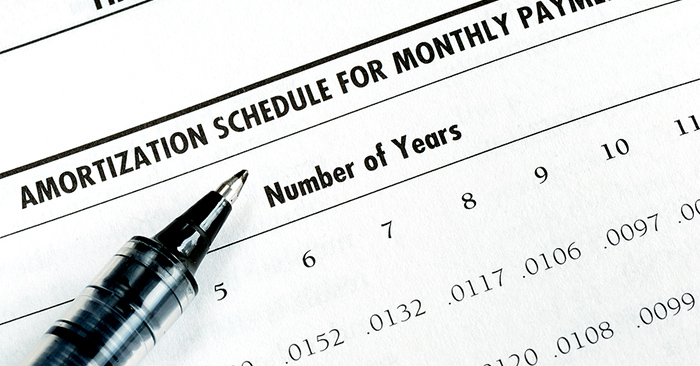
You've probably seen the buzz lately about 50-year mortgages possibly hitting the U.S. market soon.
If you haven't come across it yet, you probably will—whether in a headline, a newsfeed scroll, or it'll just be an option the next time you're house hunting.
At face value, it sounds like a pretty sweet deal for anyone feeling squeezed by prices and rates. Stretch the payments out over half a century, and suddenly that monthly bill looks a whole lot friendlier. What's not to love,...
3
Why January Is the Best Time to Kickstart Your 2026 Home Search

It's a new year, and if buying a home in 2026 is on your mind, there's one simple piece of advice worth hearing first: get started now.
Not in March. Not in spring. Not "when the weather gets better." Now.
Why? For starters, buying a home takes time. A recent Realtor.com article suggests getting started at least six months before you plan to close. That doesn't mean starting in January automatically puts you on track for a June closing. In fact, if you get starte...
6
8 Common Questions Home Buyers Have about Appraisals
Unless you're a real estate agent, you probably don't think about home appraisals more than a few times in your life. (Considering how much time real estate agents spend worrying about them, you're probably better off!) But when you buy a house, chances are a third-party appraiser will need to inspect the house and analyze whether you're paying an appropriate amount for it.
That's a good thing, because it ensures you're not overpaying for a house, but sometimes an appraiser can make mistakes, or just has trouble justifying the amount you're willing to pay due to a lack of data, or not understanding the current local market.
Ideally your appraisal will come and go without a hitch, and you might not even know it happened the next time you buy a house. But the more you know about the home buying process, the better off you'll be. So let's take a look at 8 common questions buyers have about home appraisals:
1) Do I really need one?
A lot of buyers are totally comfortable with the amount they're offering for a house, and they don't feel the need to have someone beyond the real estate agent they trust come in and say they're paying the right amount. Unfortunately, if you're getting a mortgage, which a lot of people do, your lender will most likely require that an appraisal be done so that they can be assured the house is worth what you're willing to pay for it.
2) Who pays for it?
Umm, ahem, even if you don't want one, and it's more for the lender's benefit, you actually pay for it. Usually you'll end up paying for it at the closing as one of the various closing costs, so it probably won't feel like an added cost, but it does surprise many buyers to find out it's something they have to pay for even though it's the lender who really wants it more than anyone else.
3) When is the appraisal going to get done?
Good question! Unfortunately, delayed appraisals are one of the things that lenders claim is holding up getting your loan approved, so don't be surprised if you and your agent are asking this very question. It's something agents find themselves asking lenders quite often, but getting a firm answer can be difficult. It's really in the hands of your lender to order one, so it depends upon when they get around to doing it. And then it depends upon the appraiser's availability as to when he or she will actually schedule a day and time to inspect the house.
4) Where is the appraisal?
Just because the appraiser finally gets over to the house to inspect it, that doesn't mean the appraisal is done yet. They still need to do their analysis and write up a report. Ideally the appraiser will do it within a day or two, but (again!) it's really out of your and your agent's hands as to when it actually gets done.
But even once it's done, you still might be wondering where it is! You might be paying for it, but you also might never even see a copy of it. You're entitled to a copy upon request, so if they don't send it to you, feel free to ask for it. The upshot to not seeing it is that it's a good sign there was no issue with it, and your lender just filed it away as complete and satisfactory.
5) Where did they come up with that number?
On the other hand, you'll probably become way more familiar with what an appraisal looks like if there's an issue with the amount the appraiser says the house is worth. In that case, you and your agent will likely be taking a close look at their report and trying to understand where in the world the appraiser came up with the amount they claim the house is worth.
6) Why did they compare it to those houses?
Ideally the appraiser will compare your house to other homes that are fairly similar to it. But when the number does come in lower than the amount you've agreed to pay for it, a lot of times it's because the appraiser did a poor job choosing "comparable" houses to compare it to. To be fair, sometimes there just aren't many or enough of them to compare against. But sometimes they're just plain wrong because they aren't familiar with the area, or they just have a different perspective on the value of the house than you and your agent do.
7) Can I fight it if it comes in too low?
Yes! You and your agent can contest it and ask the lender to have the appraiser consider other, more appropriate comparable properties that will help justify the amount you're willing to pay. If the appraiser still doesn't amend the appraisal to a high enough amount, you can ask for another one to be done, but you might have to agree to pay for it unless you can prove that the first one was done incompetently.
8) Why did it appraise for the exact amount I'm paying?
More often than not, if the appraiser doesn't come back with an appraisal amount that's lower than what you're willing to pay, their report will most likely say that the house is worth just about what you agreed to pay, or maybe a little bit more. Many buyers wonder how they could have hit the nail on the head with the amount they offered, but the reality is, the appraiser is just trying to justify the amount you're paying for it, so they're not concerned about whether or not you got a deal on it. So even if you got the deal of the century and bought a house for tens of thousands less than it should've sold for, don't feel like you didn't just because the appraiser didn't say so in the report!

|
 |
